Ensuring Ethical Practices Before Your Waterfowl Hunt
Waterfowl hunting needs more than carrying legal ammunition. A box that says compliant does not ensure shooting. Factors such as shot pattern choke suitability, distance and recovery strategies can greatly influence outcomes. Knowing how to handle these challenges protects wildlife. Keeps the chase fair. Before heading out it is essential to finish preparation which includes checking regulations confirming firearm compatibility practicing shots and making a clear retrieval plan.
Stay Abreast of Regulations
Before you think about ammunition choices it is crucial to read hunting regulations. These rules can differ greatly because of factors such as species hunted, hunting area and season. What is allowed in one region might be illegal in another. It is wise to ask the wildlife authority for current information. This step protects you from mistakes that arise from rules or wrong advice.
Confirm the types of shot allowed the number of rounds you may carry and any special rules for properties. Relying on memory or general labels on boxes can cause problems in the field. Keep printed copies of up‑to‑date regulations to check while hunting. If a rule is unclear contact agencies or land managers for explanation.
Choose the Right Ammunition for Your Firearm
The word 'nontoxic' may make it seem that every ammunition labeled as such works in any shotgun. In truth compatibility is a matter that can differ among firearms, gauges and barrel types. Therefore checking the manufacturers specifications and looking at the features of your gun is indispensable.
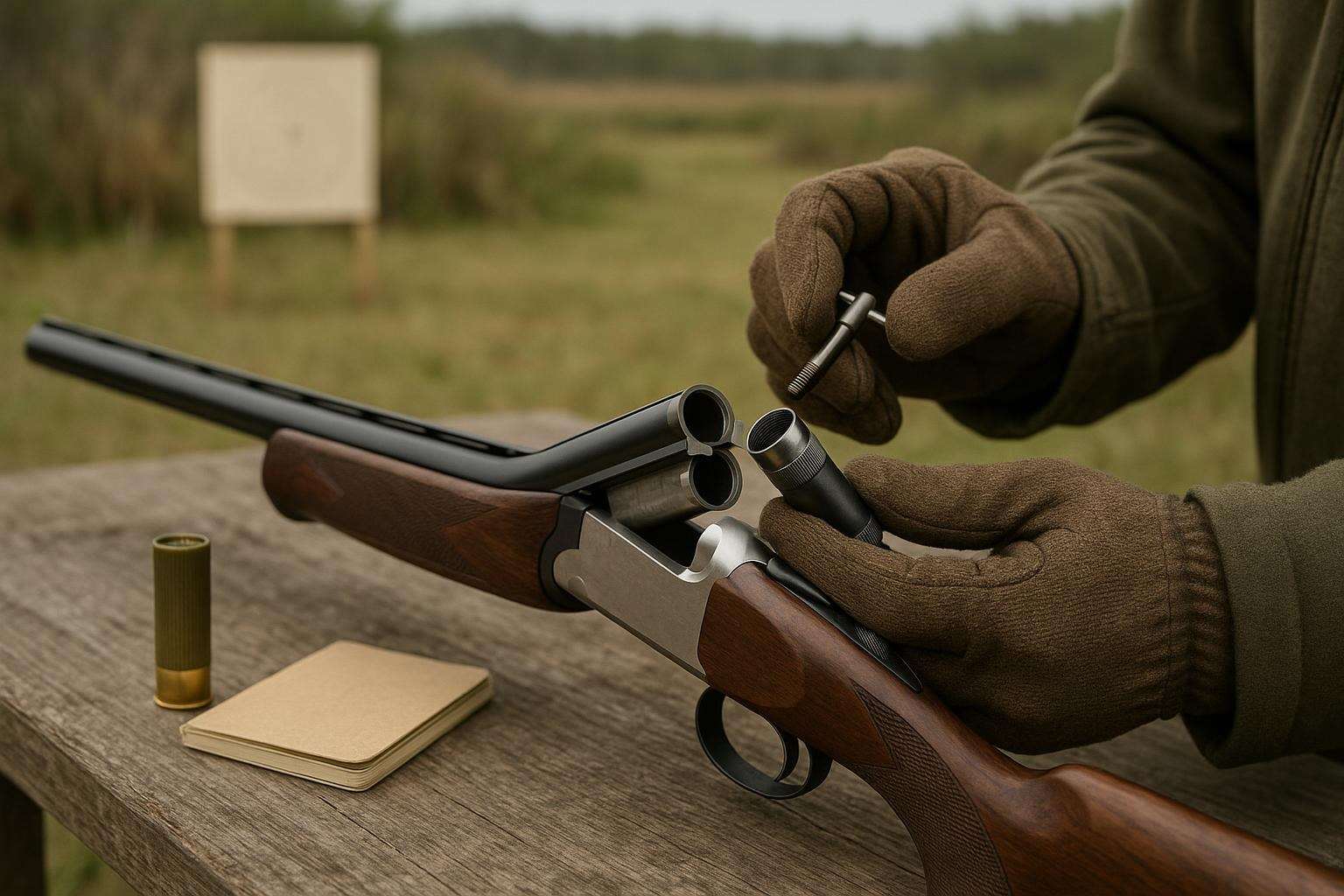
Verify that the chamber marking on your firearm matches the ammunition you plan to use. Inspect the bore choke and action before heading to the field. Do not change the choke or use ammunition that does not match recommendations just to fix pattern problems. If you doubt your firearm's history or markings take it to a gunsmith for review. Learn about your chosen load because it might need a choke setting to work best.
Conduct a Comprehensive Pattern Test
Patterning the chosen ammunition before a hunt is extremely important. Unlike shooting at a target patterning shows how well the load places pellets. You must make sure enough pellets reach the areas at reasonable shooting distances.
Use the ammunition, choke and sighting method that you intend to use while hunting to get accurate results. Pattern your shots at realistic distances using a target that is simple to read for pellet spread. Watch for spots or uneven piles in the pattern. The purpose is not to see where most pellets fall but also to know the effective shooting range that matches your skill and the bird's behavior.
This testing should help you set shooting limits. If your results differ a lot spend time checking your shooting form and the state of your gear and think about trying approved shot and choke combinations. Record the configurations that produce patterns so you can look back at them for later hunts.
Establish Clear Range Limitations
Setting a shooting distance is essential but it is only one part of the decision process. Many factors, like wind, visibility and movement from the hunter and birds can greatly affect whether a shot is suitable. If the vital areas are not clearly visible. If there is any doubt about a clean shot it is better to miss the opportunity.
Your set range limit should come from your pattern test your skill at identifying species and your comfort with accurate shots. Also think about recovery: thick cover, strong currents or property borders can make retrieval hard.
A careful decision that waits for a shot or angle is usually more ethical, than forcing an uncertain chance that could wound a bird.
Have a Solid Recovery Strategy
Equipping yourself with ammunition is essential but you must also prepare an effective recovery plan. Before you hunt you should check the route to your hunting area making sure you can see well and that you can reach the spot easily when birds are downed. You must follow rules about using boats, retrieval dogs and limits on how many birds you can keep. Do not go into water just to get a bird after a poor shot.
– Check the current rules for the hunting area and for the species you target.
– Make sure your ammunition fits your gun and follows rules.
– Inspect the choke, bore, chamber and action of the gun.
– Test the pattern of your load. Choke at distances you will shoot.
– Agree on a shooting distance and conditions that give clear shots.
– Review how to identify species and how to recover them.
Keep notes of the load and pattern results, with your gear. These notes help you decide later. Remind you to test again if you change equipment. Good stewardship depends on these careful actions. When you follow regulations think about each shot and recover birds ethically you grow a hunting style that honors wildlife and helps protect nature.